
How Much Heat Is Your Home Losing? A Guide to Common Insulation Gaps
If your heating bills seem higher than they should be, or certain rooms are always colder than others, you may be losing more heat than you realise. Many properties suffer from hidden insulation gaps that significantly reduce energy efficiency. Identifying where heat escapes is the first step towards creating a warmer, more comfortable and cost-effective home.

Why you can trust our content
We understand that home insulation can be confusing, with a lot of outdated or misleading information available. That’s why we rely only on trusted, proven sources to guide our advice and installations:


At a glance
In Aberdeen’s colder climate, insulation is not just an upgrade — it is essential. Even modern homes can experience heat loss if insulation has been poorly installed, disturbed during renovations or simply deteriorated over time.
Loft Insulation: The Biggest Source of Heat Loss
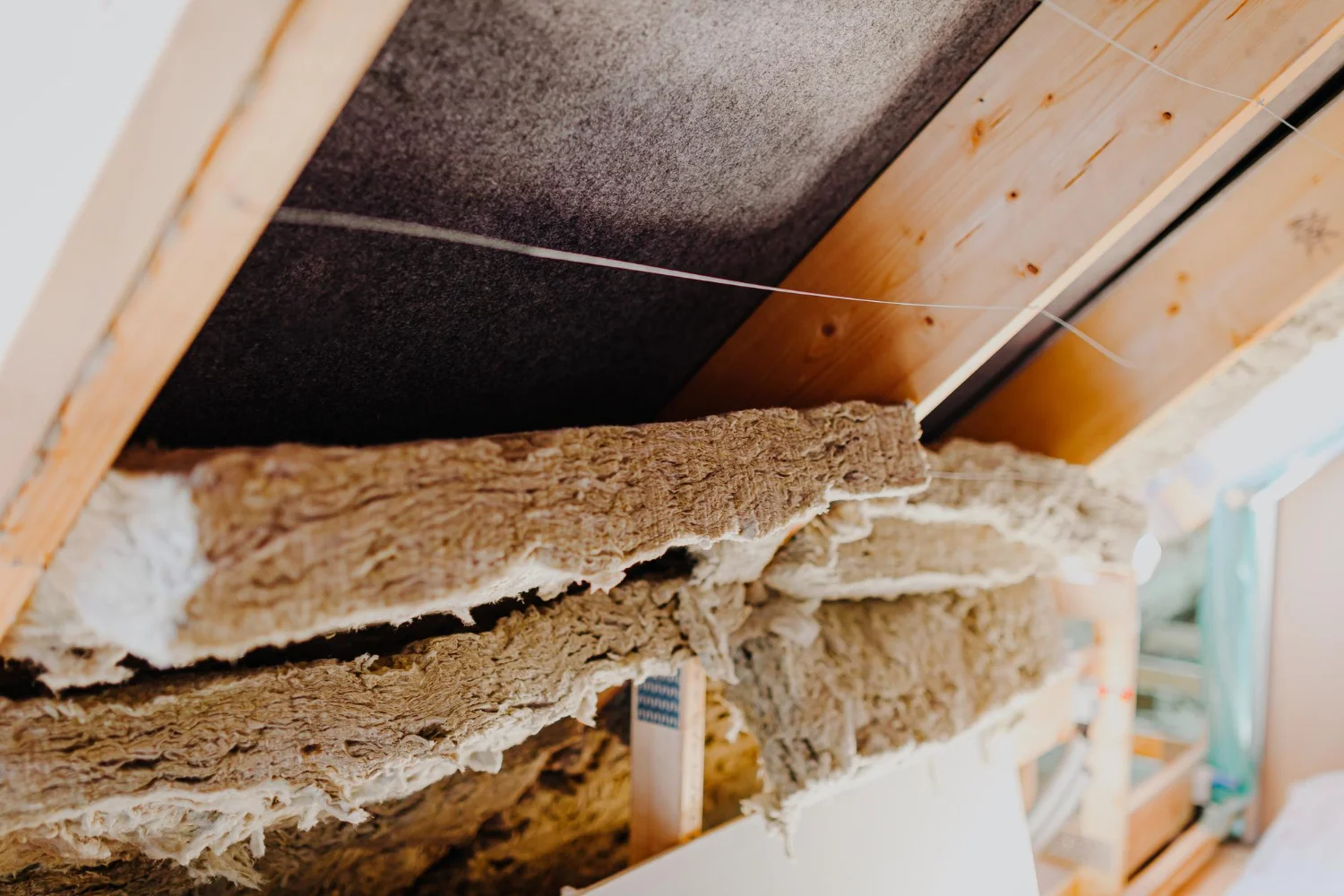
One of the most common insulation gaps is in the loft. Because warm air rises, an uninsulated or under-insulated roof space allows heat to escape quickly. In fact, up to 25% of a home’s heat can be lost through the roof if loft insulation is insufficient.
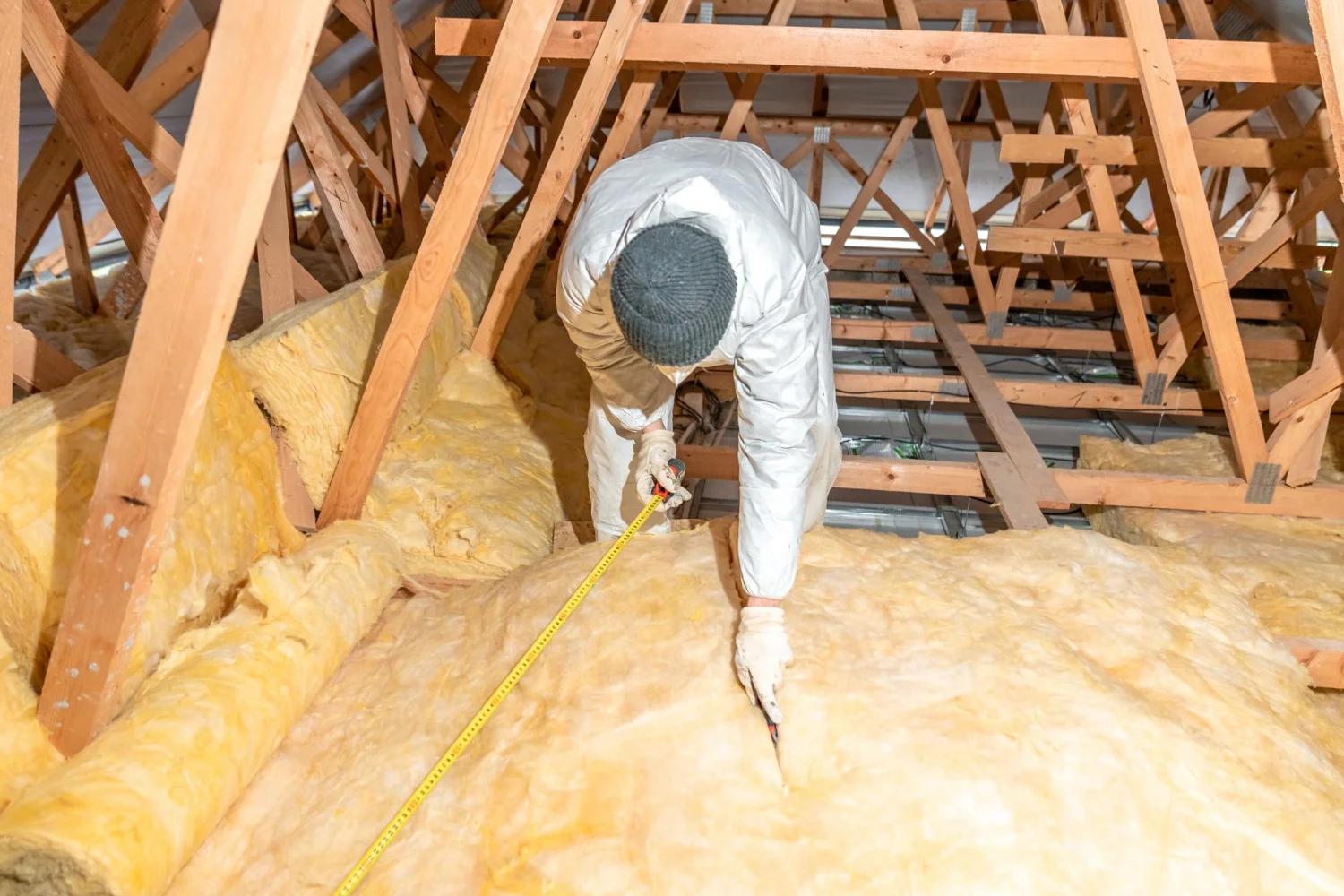
Some homes in Aberdeen and Inverness still have older insulation installed decades ago, often at depths well below current recommendations. Over time, insulation can become compressed, reducing its ability to trap warm air effectively. Gaps may also appear where boards have been laid for storage or where previous electrical work has disturbed the material.
Upgrading loft insulation to the correct depth is one of the most cost-effective ways to reduce heat loss. Homeowners in Elgin, Huntly and Banchory often notice an immediate improvement in warmth and a reduction in heating demand after upgrading or replacing loft insulation.
Solid Walls and Internal Wall Insulation
Across Aberdeen and the surrounding areas, homes frequently feature solid walls rather than cavity walls. While these buildings have character and charm, solid walls allow heat to pass directly through them. This can account for a significant percentage of overall heat loss.
If your walls feel cold to the touch or rooms struggle to retain warmth, inadequate wall insulation could be the issue. Internal wall insulation is a practical solution where external insulation is not suitable, particularly in conservation areas or traditional homes in Inverness and Elgin. By installing insulation on the inside of external walls, heat loss is reduced and indoor comfort improves dramatically.
Properly fitted internal wall insulation also helps eliminate cold spots and reduces the risk of condensation forming on colder surfaces.
Which service are you looking for?
Underfloor Insulation

Internal Wall Insulation
Room In Roof Insulation
Loft Insulation

Joinery Works
It just takes 60 Sec
And then you can book a free consultation
Suspended Timber Floors and Underfloor Insulation
Suspended timber floors allow air to circulate beneath the property, which can lead to draughts and cold surfaces inside the home. If your floors feel icy in winter, heat may be escaping downwards while cold air rises from below.
Underfloor insulation is installed between the floor joists, creating a barrier that prevents cold air infiltration and reduces heat transfer. This improvement is often overlooked, yet it can significantly enhance comfort levels, particularly in ground-floor living rooms and kitchens.
Once installed, homeowners frequently report warmer floors, fewer draughts and a more stable indoor temperature.
Room in Roof Insulation for Loft Conversions
Loft conversions are popular throughout Aberdeen and Inverness, providing valuable additional living space. However, converted loft rooms are often poorly insulated, leading to uncomfortable temperature fluctuations.
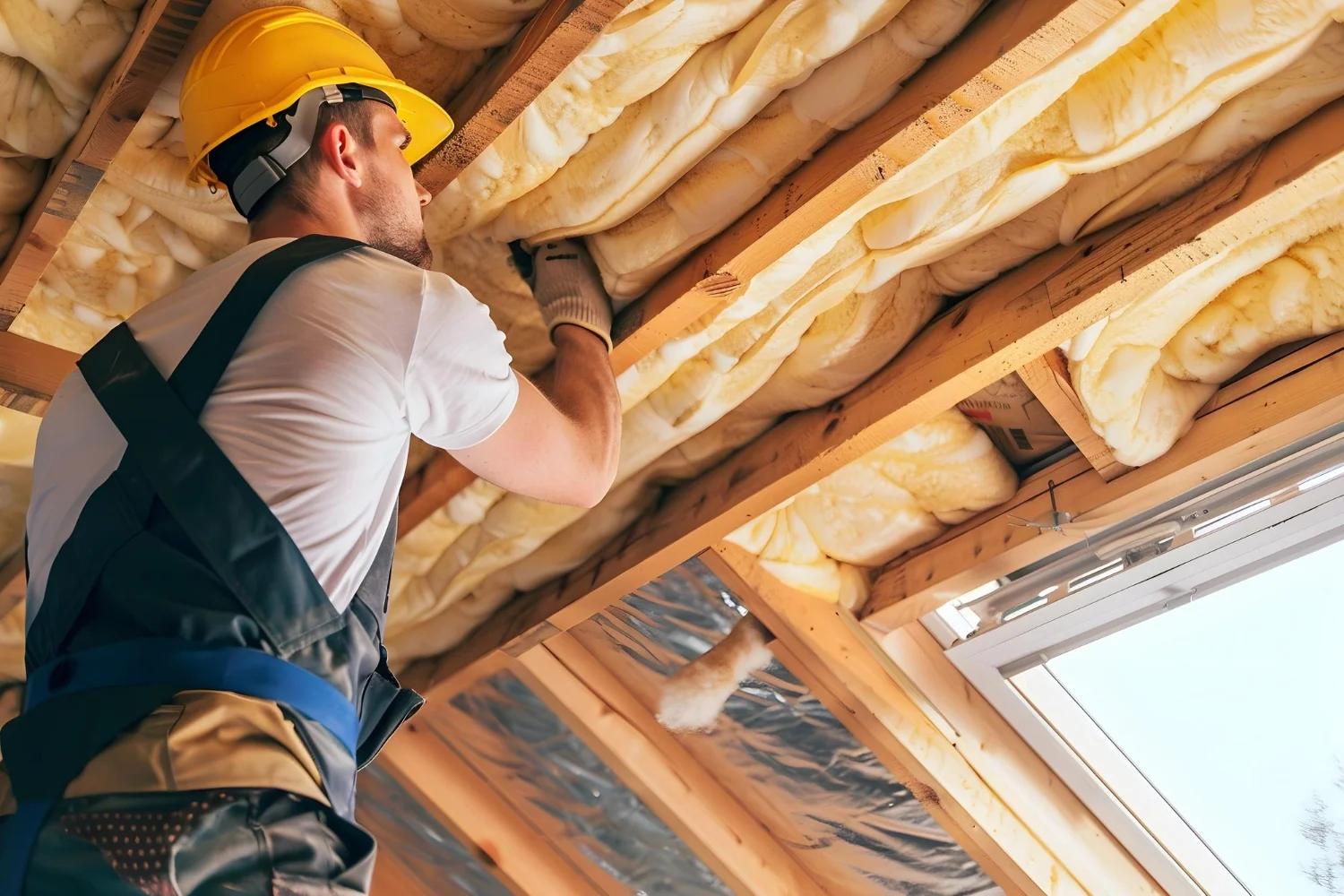
Standard loft insulation laid on the floor is not suitable for loft conversions. Instead, insulation must follow the slope of the roof and cover dwarf walls and vertical sections. Without a complete thermal envelope, heat escapes easily through the roofline.
Room in roof insulation addresses these gaps, ensuring attic bedrooms, offices or living spaces remain warm in winter and cooler in summer. For homes in Elgin and Huntly, upgrading this insulation can transform an underperforming loft room into a comfortable, energy-efficient space.
Signs Your Home Is Losing Too Much Heat
Heat loss is not always obvious, but there are warning signs. High energy bills despite regular heating use, uneven room temperatures, persistent draughts, cold walls or floors, and issues with condensation can all indicate insulation problems.
In older Scottish properties, insulation may have been installed to outdated standards or may have degraded over time. Even newer homes can suffer from installation gaps or poorly fitted materials.
The Long-Term Benefits of Addressing Insulation Gaps
Improving insulation reduces heat loss, lowers energy bills and enhances overall comfort. It also decreases carbon emissions, supporting more sustainable living. For homeowners in Aberdeen, Inverness, Banchory, Elgin and Huntly, insulation upgrades can increase property value and improve Energy Performance Certificate ratings.
Perhaps most importantly, a well-insulated home feels consistently warm without the need to constantly adjust the heating. Instead of heat escaping through the roof, walls or floors, it is retained where it belongs — inside your home.
If you are unsure where your property may be losing heat, a professional insulation assessment can identify problem areas and recommend the most effective solutions. Whether it is loft insulation, internal wall insulation, underfloor insulation or room in roof insulation, addressing insulation gaps is one of the smartest investments you can make in your home’s comfort and efficiency. Ask the team here are Insulate & Renovate to provide advice and a quote to install insulation in Aberdeen, Inverness and the nearby areas of Scotland.
Related articles

Which service are you looking for?
Underfloor Insulation
Internal Wall Insulation
Room In Roof Insulation
Loft Insulation
Joinery Works
At a glance
In Aberdeen’s colder climate, insulation is not just an upgrade — it is essential. Even modern homes can experience heat loss if insulation has been poorly installed, disturbed during renovations or simply deteriorated over time.
Loft Insulation: The Biggest Source of Heat Loss
One of the most common insulation gaps is in the loft. Because warm air rises, an uninsulated or under-insulated roof space allows heat to escape quickly. In fact, up to 25% of a home’s heat can be lost through the roof if loft insulation is insufficient.
Some homes in Aberdeen and Inverness still have older insulation installed decades ago, often at depths well below current recommendations. Over time, insulation can become compressed, reducing its ability to trap warm air effectively. Gaps may also appear where boards have been laid for storage or where previous electrical work has disturbed the material.
Upgrading loft insulation to the correct depth is one of the most cost-effective ways to reduce heat loss. Homeowners in Elgin, Huntly and Banchory often notice an immediate improvement in warmth and a reduction in heating demand after upgrading or replacing loft insulation.
Solid Walls and Internal Wall Insulation
Across Aberdeen and the surrounding areas, homes frequently feature solid walls rather than cavity walls. While these buildings have character and charm, solid walls allow heat to pass directly through them. This can account for a significant percentage of overall heat loss.
If your walls feel cold to the touch or rooms struggle to retain warmth, inadequate wall insulation could be the issue. Internal wall insulation is a practical solution where external insulation is not suitable, particularly in conservation areas or traditional homes in Inverness and Elgin. By installing insulation on the inside of external walls, heat loss is reduced and indoor comfort improves dramatically.
Properly fitted internal wall insulation also helps eliminate cold spots and reduces the risk of condensation forming on colder surfaces.
Which service are you looking for?
Underfloor Insulation
Internal Wall Insulation
Room In Roof Insulation
Loft Insulation
Joinery Works
It just takes 60 Sec
And then you can book a free consultation
Suspended Timber Floors and Underfloor Insulation
Suspended timber floors allow air to circulate beneath the property, which can lead to draughts and cold surfaces inside the home. If your floors feel icy in winter, heat may be escaping downwards while cold air rises from below.
Underfloor insulation is installed between the floor joists, creating a barrier that prevents cold air infiltration and reduces heat transfer. This improvement is often overlooked, yet it can significantly enhance comfort levels, particularly in ground-floor living rooms and kitchens.
Once installed, homeowners frequently report warmer floors, fewer draughts and a more stable indoor temperature.
Room in Roof Insulation for Loft Conversions
Loft conversions are popular throughout Aberdeen and Inverness, providing valuable additional living space. However, converted loft rooms are often poorly insulated, leading to uncomfortable temperature fluctuations.
Standard loft insulation laid on the floor is not suitable for loft conversions. Instead, insulation must follow the slope of the roof and cover dwarf walls and vertical sections. Without a complete thermal envelope, heat escapes easily through the roofline.
Room in roof insulation addresses these gaps, ensuring attic bedrooms, offices or living spaces remain warm in winter and cooler in summer. For homes in Elgin and Huntly, upgrading this insulation can transform an underperforming loft room into a comfortable, energy-efficient space.
Signs Your Home Is Losing Too Much Heat
Heat loss is not always obvious, but there are warning signs. High energy bills despite regular heating use, uneven room temperatures, persistent draughts, cold walls or floors, and issues with condensation can all indicate insulation problems.
In older Scottish properties, insulation may have been installed to outdated standards or may have degraded over time. Even newer homes can suffer from installation gaps or poorly fitted materials.
The Long-Term Benefits of Addressing Insulation Gaps
Improving insulation reduces heat loss, lowers energy bills and enhances overall comfort. It also decreases carbon emissions, supporting more sustainable living. For homeowners in Aberdeen, Inverness, Banchory, Elgin and Huntly, insulation upgrades can increase property value and improve Energy Performance Certificate ratings.
Perhaps most importantly, a well-insulated home feels consistently warm without the need to constantly adjust the heating. Instead of heat escaping through the roof, walls or floors, it is retained where it belongs — inside your home.
If you are unsure where your property may be losing heat, a professional insulation assessment can identify problem areas and recommend the most effective solutions. Whether it is loft insulation, internal wall insulation, underfloor insulation or room in roof insulation, addressing insulation gaps is one of the smartest investments you can make in your home’s comfort and efficiency. Ask the team here are Insulate & Renovate to provide advice and a quote to install insulation in Aberdeen, Inverness and the nearby areas of Scotland.
Related articles
Which service are you looking for?
Underfloor Insulation
Internal Wall Insulation
Room In Roof Insulation
Loft Insulation
Joinery Works