Is It Worth Replacing Old Loft Insulation?
You may believe that once loft insulation is installed, it lasts forever. Modern insulation generally lasts well for 20 to 30 years, depending on the material, however, specifications have changed and the efficiency of old materials may have deteriorated over time. If your insulation is old, compressed or below current recommended standards, you could be losing a significant amount of heat through your roof — and paying more than necessary on energy bills.

Why you can trust our content
We understand that home insulation can be confusing, with a lot of outdated or misleading information available. That’s why we rely only on trusted, proven sources to guide our advice and installations:


At a glance
With energy efficiency becoming increasingly important in Scotland’s colder climate, replacing old loft insulation can be one of the most effective home improvements you can make.
Why Loft Insulation Matters
Warm air rises. Without adequate loft insulation, heat escapes directly through the roof space. It is estimated that up to 25% of a home’s heat can be lost through an uninsulated or poorly insulated loft. In towns such as Inverness and Huntly, where winter temperatures can drop considerably, this heat loss can make homes uncomfortable and expensive to heat.
Loft insulation acts as a thermal barrier, slowing down the movement of heat from inside your home to the colder air above. When installed correctly and to the appropriate depth, it significantly improves overall thermal efficiency.
How Old Loft Insulation Loses Effectiveness
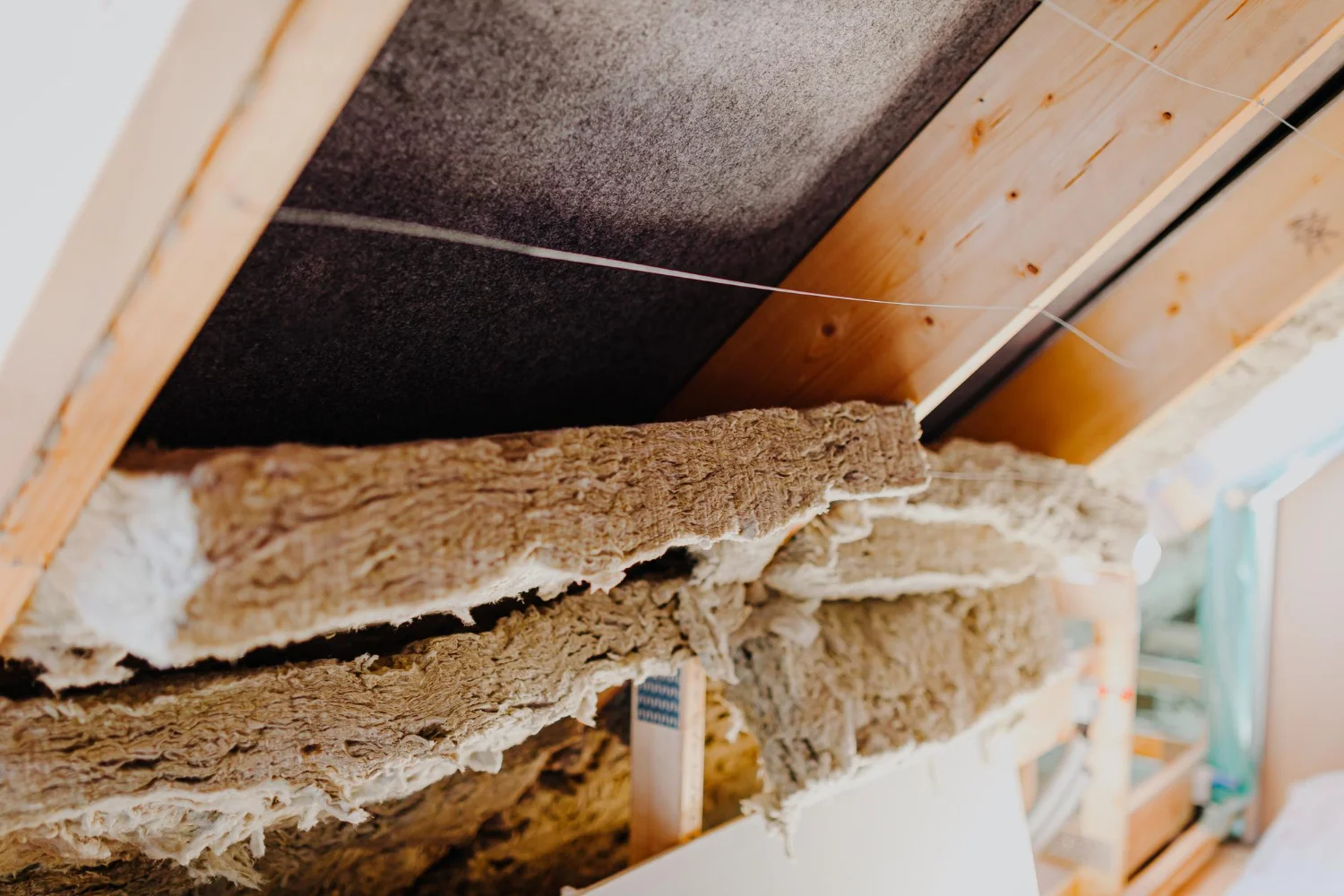
Loft insulation can deteriorate over time for several reasons. One of the most common issues is compression. Older insulation materials, particularly fibreglass and mineral wool, can become flattened due to storage boards, foot traffic or simply age. When insulation compresses, it loses trapped air pockets, which are essential for thermal resistance.
In homes across Aberdeen and Elgin, we often find insulation that was installed 20 or 30 years ago. At that time, recommended depths were much lower than current standards. Even if the material appears intact, it may no longer provide sufficient insulation performance.
Contamination is another issue. Dust accumulation, rodent activity or moisture can reduce insulation efficiency and, in some cases, create hygiene concerns. Damp insulation in particular loses much of its thermal effectiveness.
Which service are you looking for?
Underfloor Insulation

Internal Wall Insulation
Room In Roof Insulation
Loft Insulation

Joinery Works
It just takes 60 Sec
And then you can book a free consultation
Should You Top Up or Replace?
In some cases, topping up existing loft insulation may be enough. If the current insulation is clean, dry and evenly distributed but simply below the recommended depth, adding additional material can improve performance.
However, if insulation is damp, heavily compressed, uneven or contaminated, full removal and replacement may be the better option. Simply layering new insulation over damaged material does not resolve underlying issues and can sometimes trap moisture.
For homeowners in Banchory, Huntly and Inverness, a professional loft assessment can determine the most appropriate course of action.
The Benefits of Replacing Old Loft Insulation
Replacing old loft insulation can deliver noticeable benefits almost immediately. Many homeowners report that their homes feel warmer and maintain a more stable temperature throughout the day. Heating systems do not need to work as hard, which can lead to reduced energy consumption and lower heating bills.
In addition to improved comfort, upgrading loft insulation can help improve your home’s Energy Performance Certificate (EPC) rating. This is particularly valuable if you are considering selling or renting your property in Aberdeen or Elgin.
New insulation materials also provide improved consistency and coverage, eliminating gaps where heat may have previously escaped.
The Installation Process
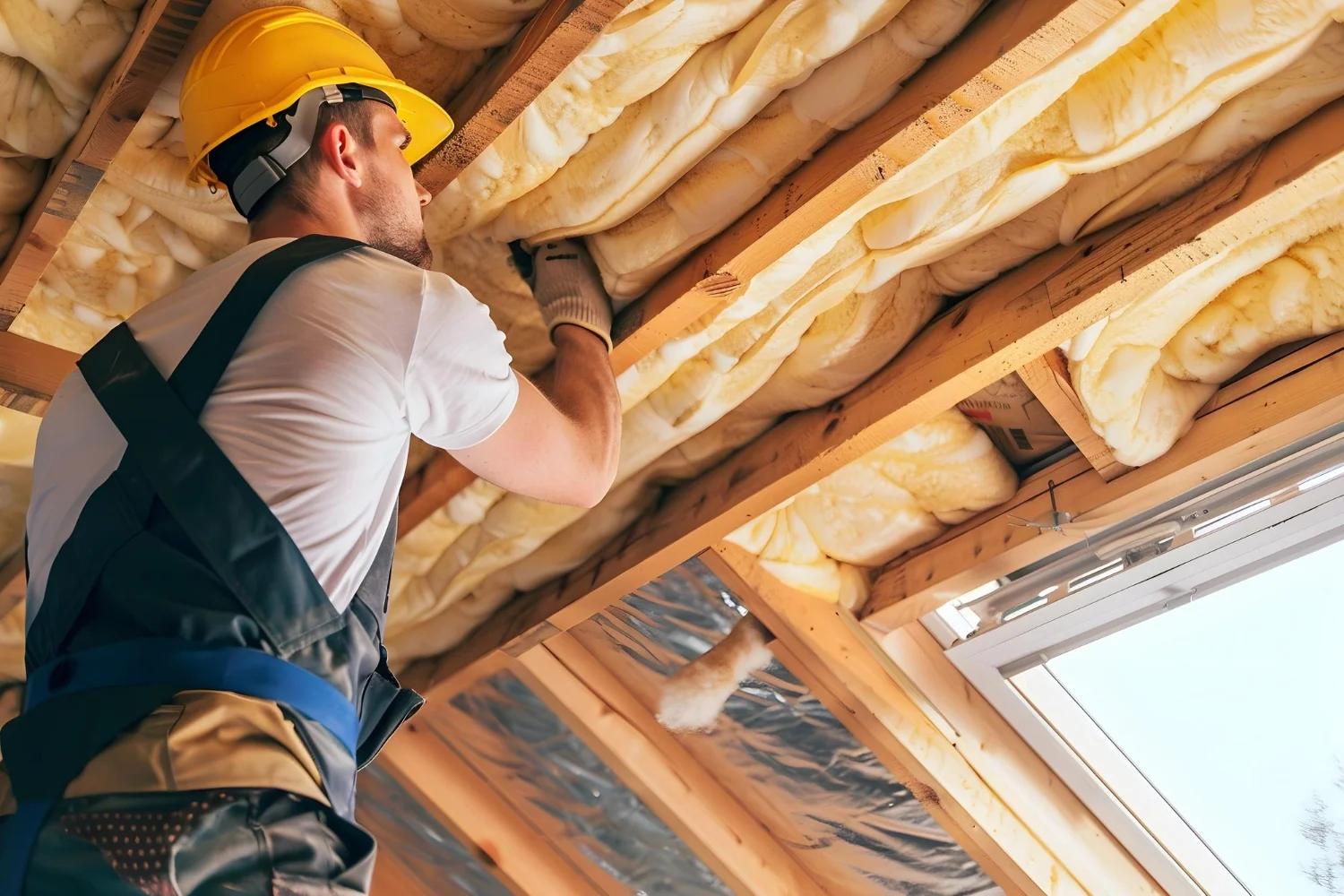
Professional removal of old loft insulation ensures safe handling and disposal of materials. Once the loft space is cleared, it can be inspected for any underlying issues such as ventilation concerns, damp patches or air leakage points.
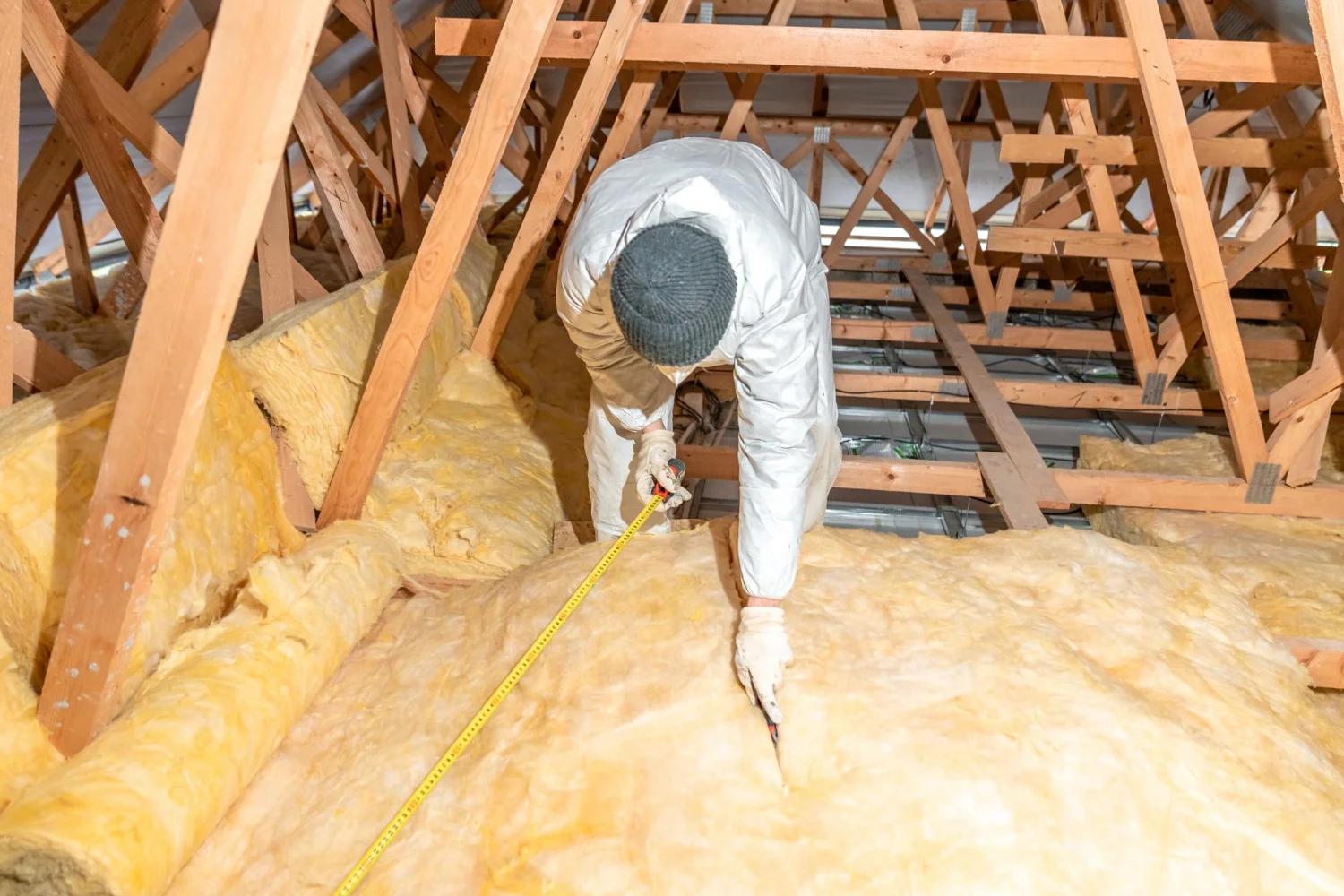
New insulation is then installed evenly across the loft floor to the correct depth, ensuring complete coverage. Care is taken to maintain ventilation pathways and avoid compressing the material during installation.
For properties in Inverness and surrounding Highland areas, ensuring proper installation is particularly important due to colder winter conditions and increased heating demands.
Signs It May Be Time to Replace Your Loft Insulation
There are several indicators that your loft insulation may need attention:
- Your insulation is over 15–20 years old
- Energy bills are higher than expected
- The home feels cold despite regular heating
- Insulation appears thin, uneven or flattened
- There are signs of dampness or rodent activity
If you recognise one or more of these signs, it may be worth arranging a professional assessment.
A Smart Long-Term Investment
Replacing loft insulation is not just about immediate warmth — it is a long-term investment in your property’s efficiency and comfort. With energy prices fluctuating and sustainability becoming more important, improving insulation performance is one of the most practical ways to future-proof your home.
Across Aberdeen, Inverness, Elgin, Banchory and Huntly, many properties would benefit from upgrading outdated insulation to modern standards. The improvement in thermal performance can make a substantial difference to both comfort and energy costs.
If you are unsure about the condition of your loft insulation, Insulate & Renovate can provide a professional assessment and recommend the most suitable solution for your home. Whether you need a top-up or full replacement, our team can help you create a warmer, more energy-efficient property.
Related articles
Which service are you looking for?
Underfloor Insulation
Internal Wall Insulation
Room In Roof Insulation
Loft Insulation
Joinery Works
At a glance
With energy efficiency becoming increasingly important in Scotland’s colder climate, replacing old loft insulation can be one of the most effective home improvements you can make.
Why Loft Insulation Matters
Warm air rises. Without adequate loft insulation, heat escapes directly through the roof space. It is estimated that up to 25% of a home’s heat can be lost through an uninsulated or poorly insulated loft. In towns such as Inverness and Huntly, where winter temperatures can drop considerably, this heat loss can make homes uncomfortable and expensive to heat.
Loft insulation acts as a thermal barrier, slowing down the movement of heat from inside your home to the colder air above. When installed correctly and to the appropriate depth, it significantly improves overall thermal efficiency.
How Old Loft Insulation Loses Effectiveness
Loft insulation can deteriorate over time for several reasons. One of the most common issues is compression. Older insulation materials, particularly fibreglass and mineral wool, can become flattened due to storage boards, foot traffic or simply age. When insulation compresses, it loses trapped air pockets, which are essential for thermal resistance.
In homes across Aberdeen and Elgin, we often find insulation that was installed 20 or 30 years ago. At that time, recommended depths were much lower than current standards. Even if the material appears intact, it may no longer provide sufficient insulation performance.
Contamination is another issue. Dust accumulation, rodent activity or moisture can reduce insulation efficiency and, in some cases, create hygiene concerns. Damp insulation in particular loses much of its thermal effectiveness.
Which service are you looking for?
Underfloor Insulation
Internal Wall Insulation
Room In Roof Insulation
Loft Insulation
Joinery Works
It just takes 60 Sec
And then you can book a free consultation
Should You Top Up or Replace?
In some cases, topping up existing loft insulation may be enough. If the current insulation is clean, dry and evenly distributed but simply below the recommended depth, adding additional material can improve performance.
However, if insulation is damp, heavily compressed, uneven or contaminated, full removal and replacement may be the better option. Simply layering new insulation over damaged material does not resolve underlying issues and can sometimes trap moisture.
For homeowners in Banchory, Huntly and Inverness, a professional loft assessment can determine the most appropriate course of action.
The Benefits of Replacing Old Loft Insulation
Replacing old loft insulation can deliver noticeable benefits almost immediately. Many homeowners report that their homes feel warmer and maintain a more stable temperature throughout the day. Heating systems do not need to work as hard, which can lead to reduced energy consumption and lower heating bills.
In addition to improved comfort, upgrading loft insulation can help improve your home’s Energy Performance Certificate (EPC) rating. This is particularly valuable if you are considering selling or renting your property in Aberdeen or Elgin.
New insulation materials also provide improved consistency and coverage, eliminating gaps where heat may have previously escaped.
The Installation Process
Professional removal of old loft insulation ensures safe handling and disposal of materials. Once the loft space is cleared, it can be inspected for any underlying issues such as ventilation concerns, damp patches or air leakage points.
New insulation is then installed evenly across the loft floor to the correct depth, ensuring complete coverage. Care is taken to maintain ventilation pathways and avoid compressing the material during installation.
For properties in Inverness and surrounding Highland areas, ensuring proper installation is particularly important due to colder winter conditions and increased heating demands.
Signs It May Be Time to Replace Your Loft Insulation
There are several indicators that your loft insulation may need attention:
- Your insulation is over 15–20 years old
- Energy bills are higher than expected
- The home feels cold despite regular heating
- Insulation appears thin, uneven or flattened
- There are signs of dampness or rodent activity
If you recognise one or more of these signs, it may be worth arranging a professional assessment.
A Smart Long-Term Investment
Replacing loft insulation is not just about immediate warmth — it is a long-term investment in your property’s efficiency and comfort. With energy prices fluctuating and sustainability becoming more important, improving insulation performance is one of the most practical ways to future-proof your home.
Across Aberdeen, Inverness, Elgin, Banchory and Huntly, many properties would benefit from upgrading outdated insulation to modern standards. The improvement in thermal performance can make a substantial difference to both comfort and energy costs.
If you are unsure about the condition of your loft insulation, Insulate & Renovate can provide a professional assessment and recommend the most suitable solution for your home. Whether you need a top-up or full replacement, our team can help you create a warmer, more energy-efficient property.
Related articles
Which service are you looking for?
Underfloor Insulation
Internal Wall Insulation
Room In Roof Insulation
Loft Insulation
Joinery Works