
Room in Roof Insulation: Why Your Loft Conversion Feels Cold
A loft conversion can transform your home, creating valuable additional living space without extending outward. If you have converted your attic space into bedrooms, offices or family rooms, but often find the space uncomfortable due to heat or cold, adding room in roof insulation could make all the difference.

Why you can trust our content
We understand that home insulation can be confusing, with a lot of outdated or misleading information available. That’s why we rely only on trusted, proven sources to guide our advice and installations:


At a glance
If your attic room struggles to stay warm in winter or overheats in summer, inadequate room in roof insulation is often the cause.
Why Standard Loft Insulation Is Not Enough
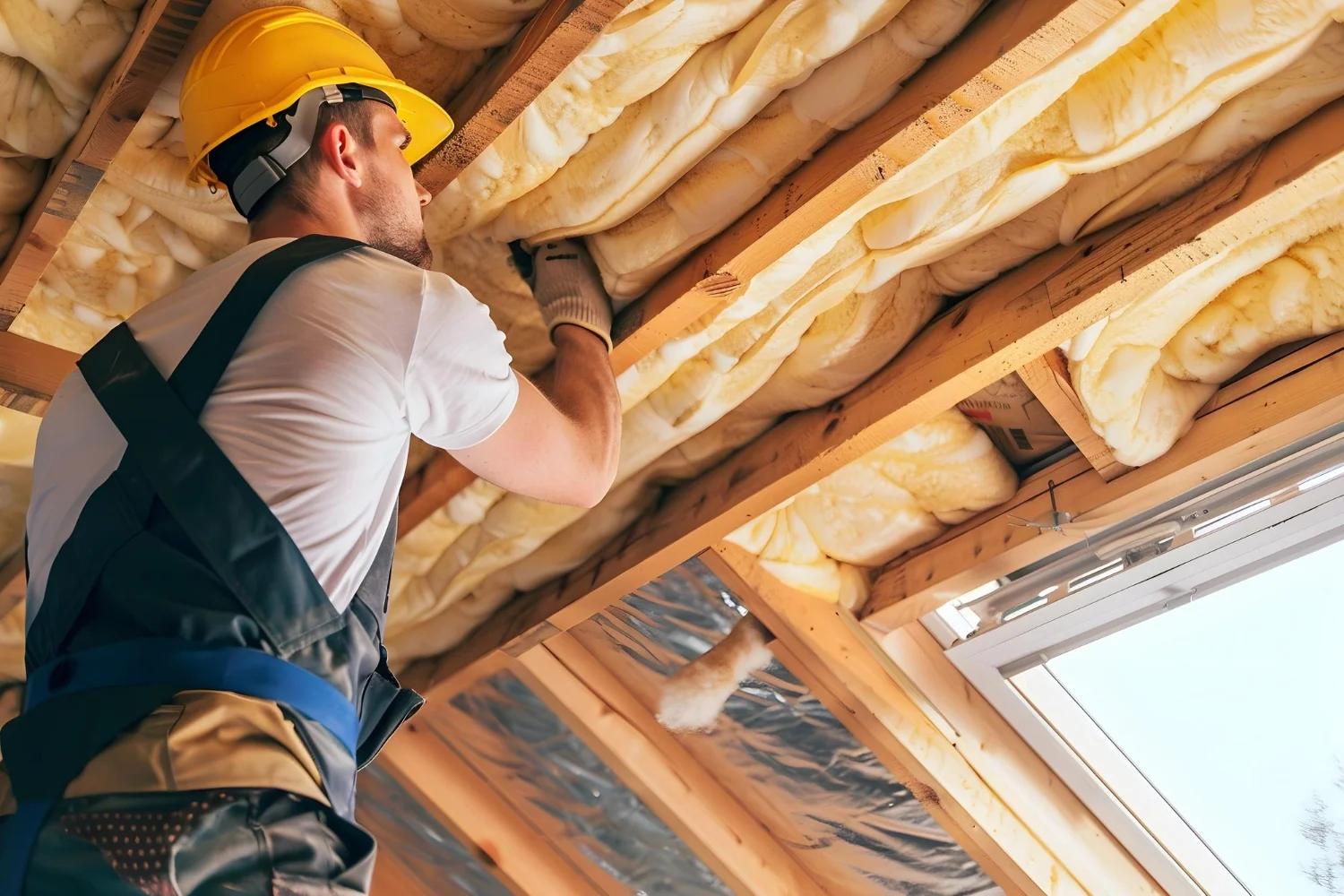
In a traditional, unconverted loft, insulation is laid across the floor of the loft space. This prevents heat from escaping into the unused roof void. However, once the loft becomes a living space, this method no longer works.
In a loft conversion, the thermal boundary must follow the shape of the roof instead of sitting on the floor. That means insulating sloping ceilings, dwarf walls, vertical sections and sometimes even the roof rafters themselves. Without this complete insulated envelope, heat escapes directly through the roofline.
Older loft conversions in Aberdeen and Inverness may have been completed to outdated insulation standards. As building regulations have improved over time, so have the required levels of insulation. If your conversion was carried out years ago, it may no longer meet current thermal performance recommendations.
Common Problem Areas in Loft Conversions
Loft conversions come in a variety of shapes and designs, some more complex than others. Installing efficient insulation in all parts of the loft space is essential for maximum results. Several areas are particularly vulnerable to heat loss, including the following:
Sloping Ceilings
The largest surface area in most loft conversions is the sloped roof. Without sufficient insulation between and beneath rafters, heat rises and escapes quickly. This can make attic bedrooms especially cold during winter months.
Dwarf Walls
Dwarf walls are short vertical walls found in many loft conversions. If insulation has not been installed correctly behind these walls, large gaps in the thermal barrier can occur.
Junctions and Edges
Gaps around roof windows, eaves and junction points can allow draughts and cold bridging. Even small gaps can significantly reduce overall insulation performance.
Inadequate Depth
Older insulation materials may not provide sufficient depth to meet modern standards.
Which service are you looking for?
Underfloor Insulation

Internal Wall Insulation
Room In Roof Insulation
Loft Insulation

Joinery Works
It just takes 60 Sec
And then you can book a free consultation
Signs Your Room in Roof Insulation Needs Upgrading
There are clear warning signs that your loft conversion insulation may not be performing properly:
- The loft room feels significantly colder than the rest of the house
- Heating needs to be constantly adjusted to maintain comfort
- Walls or ceilings feel cold to the touch
- The room overheats quickly in summer
- Energy bills are higher than expected
If you live in Aberdeen, Elgin or Huntly and notice these issues, it may be time to review your room in roof insulation.
The Retrofit Solution: Creating a Thermal Envelope
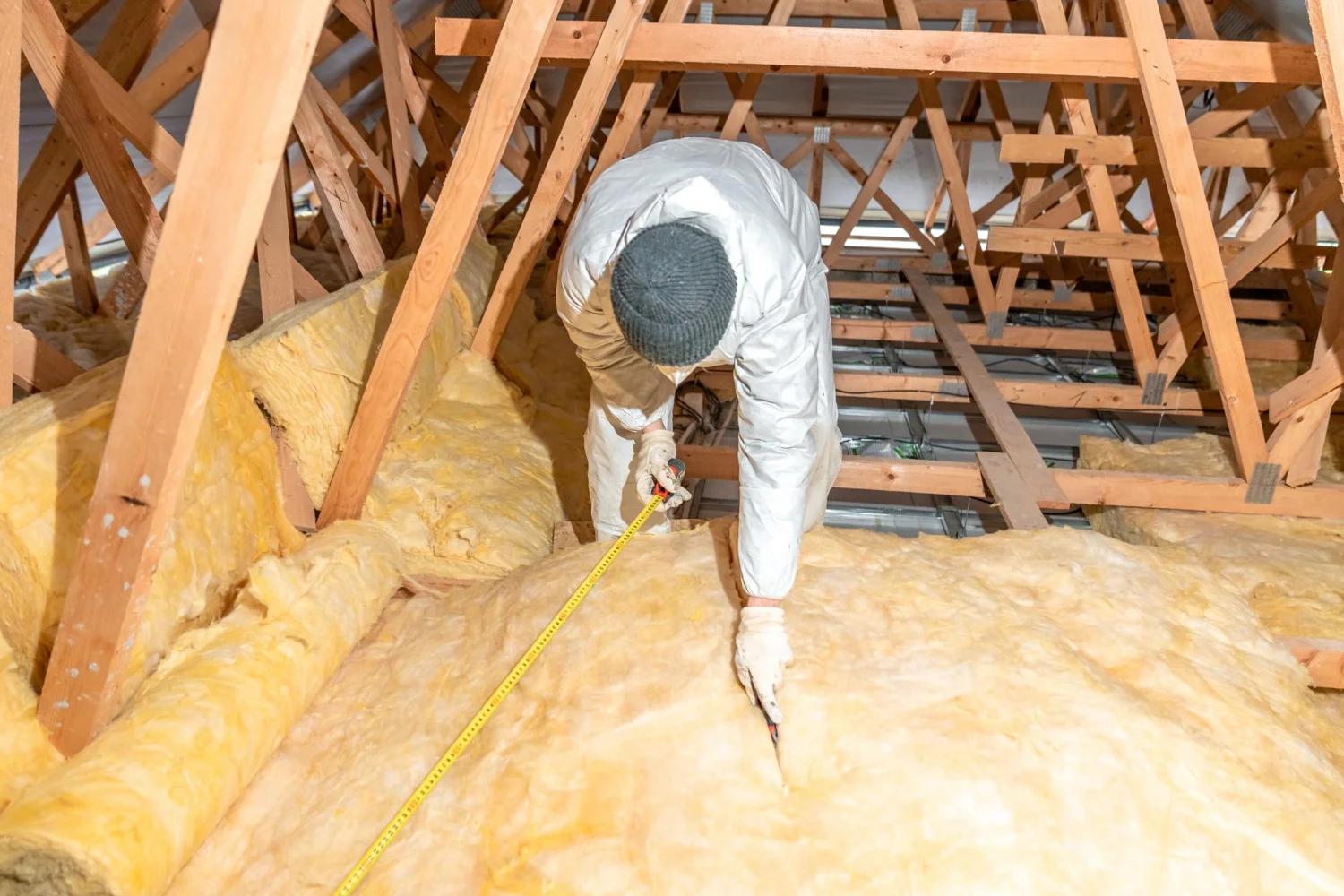
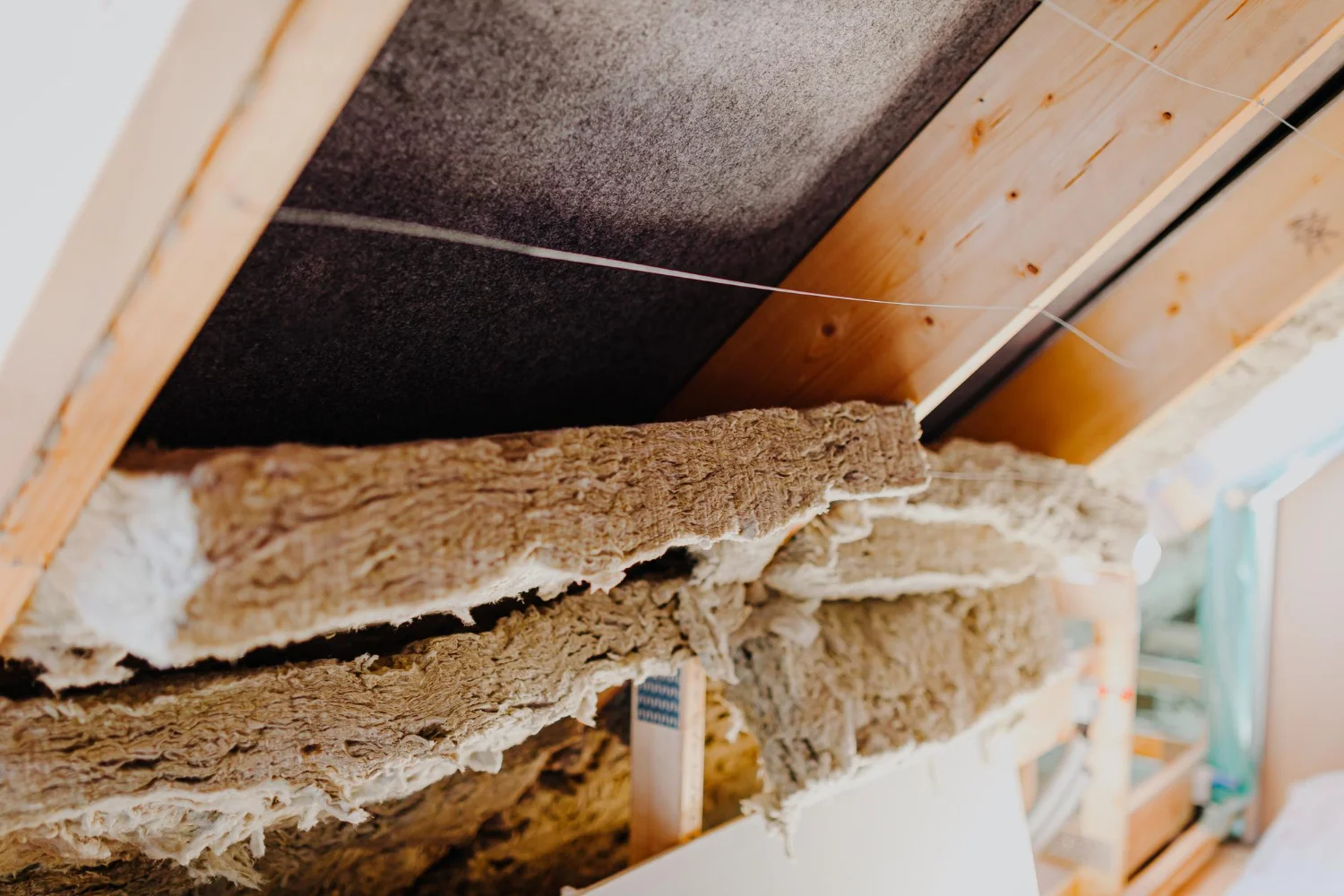
Room in roof insulation works by forming a continuous thermal envelope around the converted space. This involves installing high-performance insulation between rafters and often adding an additional insulated layer beneath them to prevent thermal bridging.
Natural fibre insulation materials such as sheep’s wool or hemp can also be used in suitable properties, particularly in older homes across Inverness and Banchory where breathability is important. These materials help regulate moisture while delivering strong thermal performance.
The goal is to eliminate gaps and create a complete barrier that prevents heat escaping in winter and excessive heat entering in summer.
Benefits of Upgrading Room in Roof Insulation
Investing in insulation comes with a cost, but you will see the advantages quickly. Upgrading room in roof insulation delivers the following long-term benefits:
Improved Comfort
Attic bedrooms and offices become usable year-round, maintaining consistent temperatures regardless of the season.
Lower Energy Bills
With reduced heat loss, your heating system does not need to work as hard. This can result in noticeable savings on energy costs.
Better Energy Efficiency
Improved insulation can enhance your home’s overall Energy Performance Certificate (EPC) rating, adding value to the property.
Reduced Condensation
Proper insulation helps eliminate cold surfaces where condensation can form, reducing the risk of damp issues.
Why Professional Installation Matters
Room in roof insulation is more complex than standard loft insulation. It requires careful assessment of the roof structure, ventilation requirements and existing materials. Poor installation can lead to trapped moisture, reduced airflow or thermal bridging.
For homeowners in Inverness, Elgin, Huntly and Banchory, professional assessment ensures the correct materials and methods are used. Every property is different, particularly older Scottish homes, so a tailored approach is essential.
A Warmer, More Efficient Loft Space
Your loft conversion should be a comfortable extension of your home — not the coldest room in the house. If you are experiencing temperature problems, upgrading your room in roof insulation could make a dramatic difference.
Across Aberdeen, Inverness, Elgin, Banchory and Huntly, homeowners are discovering that improving insulation in converted lofts significantly enhances comfort, reduces energy use and future-proofs their property against rising energy costs.
If your loft conversion feels cold or inefficient, Insulate & Renovate can assess your existing insulation and recommend the most effective upgrade solution. Our experienced team specialises in retrofit insulation solutions tailored to Scottish homes.
Related articles

Which service are you looking for?
Underfloor Insulation
Internal Wall Insulation
Room In Roof Insulation
Loft Insulation
Joinery Works
At a glance
If your attic room struggles to stay warm in winter or overheats in summer, inadequate room in roof insulation is often the cause.
Why Standard Loft Insulation Is Not Enough
In a traditional, unconverted loft, insulation is laid across the floor of the loft space. This prevents heat from escaping into the unused roof void. However, once the loft becomes a living space, this method no longer works.
In a loft conversion, the thermal boundary must follow the shape of the roof instead of sitting on the floor. That means insulating sloping ceilings, dwarf walls, vertical sections and sometimes even the roof rafters themselves. Without this complete insulated envelope, heat escapes directly through the roofline.
Older loft conversions in Aberdeen and Inverness may have been completed to outdated insulation standards. As building regulations have improved over time, so have the required levels of insulation. If your conversion was carried out years ago, it may no longer meet current thermal performance recommendations.
Common Problem Areas in Loft Conversions
Loft conversions come in a variety of shapes and designs, some more complex than others. Installing efficient insulation in all parts of the loft space is essential for maximum results. Several areas are particularly vulnerable to heat loss, including the following:
Sloping Ceilings
The largest surface area in most loft conversions is the sloped roof. Without sufficient insulation between and beneath rafters, heat rises and escapes quickly. This can make attic bedrooms especially cold during winter months.
Dwarf Walls
Dwarf walls are short vertical walls found in many loft conversions. If insulation has not been installed correctly behind these walls, large gaps in the thermal barrier can occur.
Junctions and Edges
Gaps around roof windows, eaves and junction points can allow draughts and cold bridging. Even small gaps can significantly reduce overall insulation performance.
Inadequate Depth
Older insulation materials may not provide sufficient depth to meet modern standards.
Which service are you looking for?
Underfloor Insulation
Internal Wall Insulation
Room In Roof Insulation
Loft Insulation
Joinery Works
It just takes 60 Sec
And then you can book a free consultation
Signs Your Room in Roof Insulation Needs Upgrading
There are clear warning signs that your loft conversion insulation may not be performing properly:
- The loft room feels significantly colder than the rest of the house
- Heating needs to be constantly adjusted to maintain comfort
- Walls or ceilings feel cold to the touch
- The room overheats quickly in summer
- Energy bills are higher than expected
If you live in Aberdeen, Elgin or Huntly and notice these issues, it may be time to review your room in roof insulation.
The Retrofit Solution: Creating a Thermal Envelope
Room in roof insulation works by forming a continuous thermal envelope around the converted space. This involves installing high-performance insulation between rafters and often adding an additional insulated layer beneath them to prevent thermal bridging.
Natural fibre insulation materials such as sheep’s wool or hemp can also be used in suitable properties, particularly in older homes across Inverness and Banchory where breathability is important. These materials help regulate moisture while delivering strong thermal performance.
The goal is to eliminate gaps and create a complete barrier that prevents heat escaping in winter and excessive heat entering in summer.
Benefits of Upgrading Room in Roof Insulation
Investing in insulation comes with a cost, but you will see the advantages quickly. Upgrading room in roof insulation delivers the following long-term benefits:
Improved Comfort
Attic bedrooms and offices become usable year-round, maintaining consistent temperatures regardless of the season.
Lower Energy Bills
With reduced heat loss, your heating system does not need to work as hard. This can result in noticeable savings on energy costs.
Better Energy Efficiency
Improved insulation can enhance your home’s overall Energy Performance Certificate (EPC) rating, adding value to the property.
Reduced Condensation
Proper insulation helps eliminate cold surfaces where condensation can form, reducing the risk of damp issues.
Why Professional Installation Matters
Room in roof insulation is more complex than standard loft insulation. It requires careful assessment of the roof structure, ventilation requirements and existing materials. Poor installation can lead to trapped moisture, reduced airflow or thermal bridging.
For homeowners in Inverness, Elgin, Huntly and Banchory, professional assessment ensures the correct materials and methods are used. Every property is different, particularly older Scottish homes, so a tailored approach is essential.
A Warmer, More Efficient Loft Space
Your loft conversion should be a comfortable extension of your home — not the coldest room in the house. If you are experiencing temperature problems, upgrading your room in roof insulation could make a dramatic difference.
Across Aberdeen, Inverness, Elgin, Banchory and Huntly, homeowners are discovering that improving insulation in converted lofts significantly enhances comfort, reduces energy use and future-proofs their property against rising energy costs.
If your loft conversion feels cold or inefficient, Insulate & Renovate can assess your existing insulation and recommend the most effective upgrade solution. Our experienced team specialises in retrofit insulation solutions tailored to Scottish homes.
Related articles
Which service are you looking for?
Underfloor Insulation
Internal Wall Insulation
Room In Roof Insulation
Loft Insulation
Joinery Works