Natural Fibre Insulation vs Synthetic Insulation: What’s the Difference?
When upgrading insulation in your home, one of the most important decisions is choosing the right material. Across Aberdeen, Inverness, Elgin, Banchory and Huntly, homeowners are exploring sustainable options and asking whether natural fibre insulation is better than traditional synthetic insulation. Understanding the differences between these materials can help you make an informed decision that suits your property.

Why you can trust our content
We understand that home insulation can be confusing, with a lot of outdated or misleading information available. That’s why we rely only on trusted, proven sources to guide our advice and installations:


At a glance
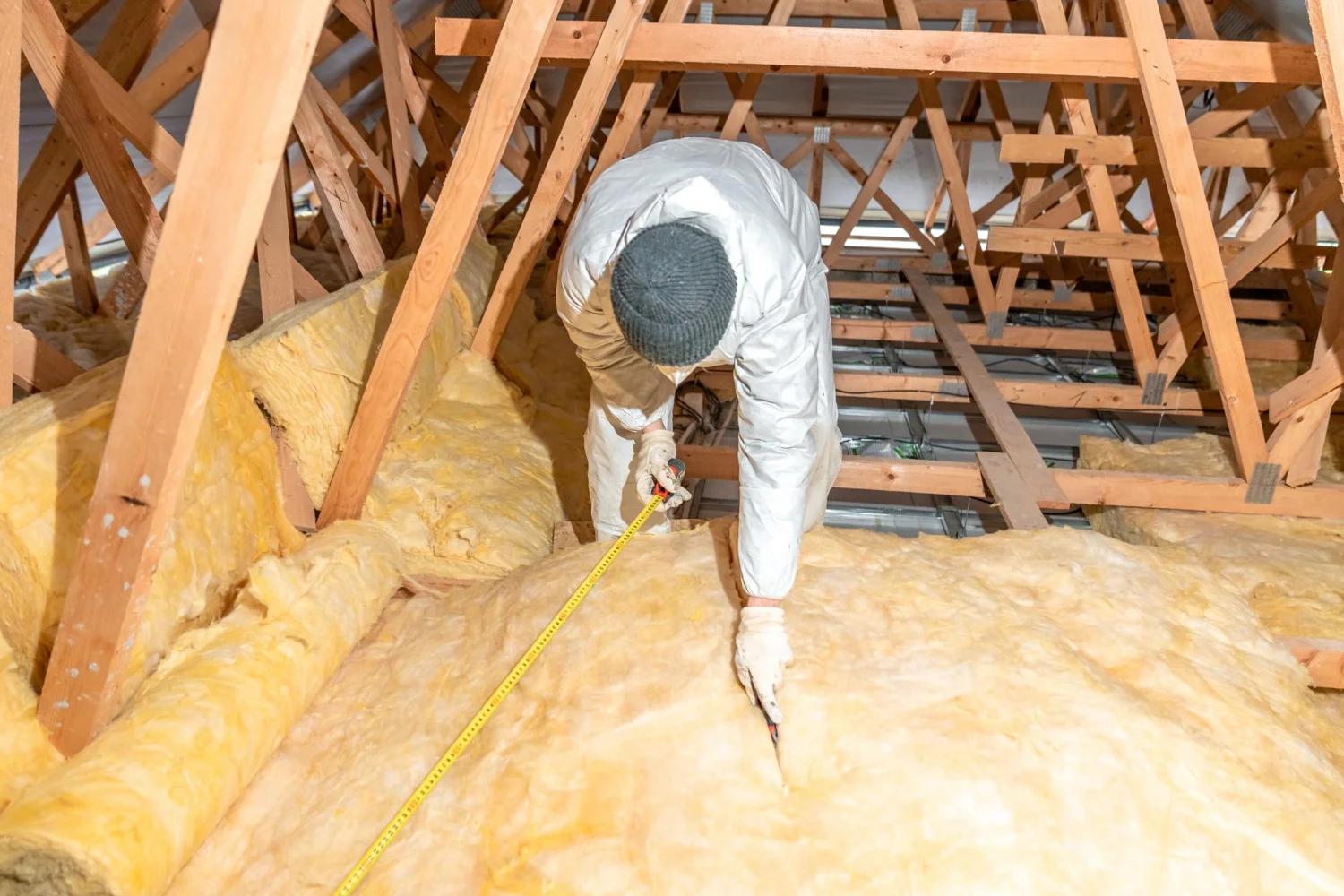
Both natural and synthetic insulation products can improve energy efficiency, reduce heat loss and enhance indoor comfort. However, they differ significantly in composition, environmental impact, breathability and long-term performance.
What Is Natural Fibre Insulation?
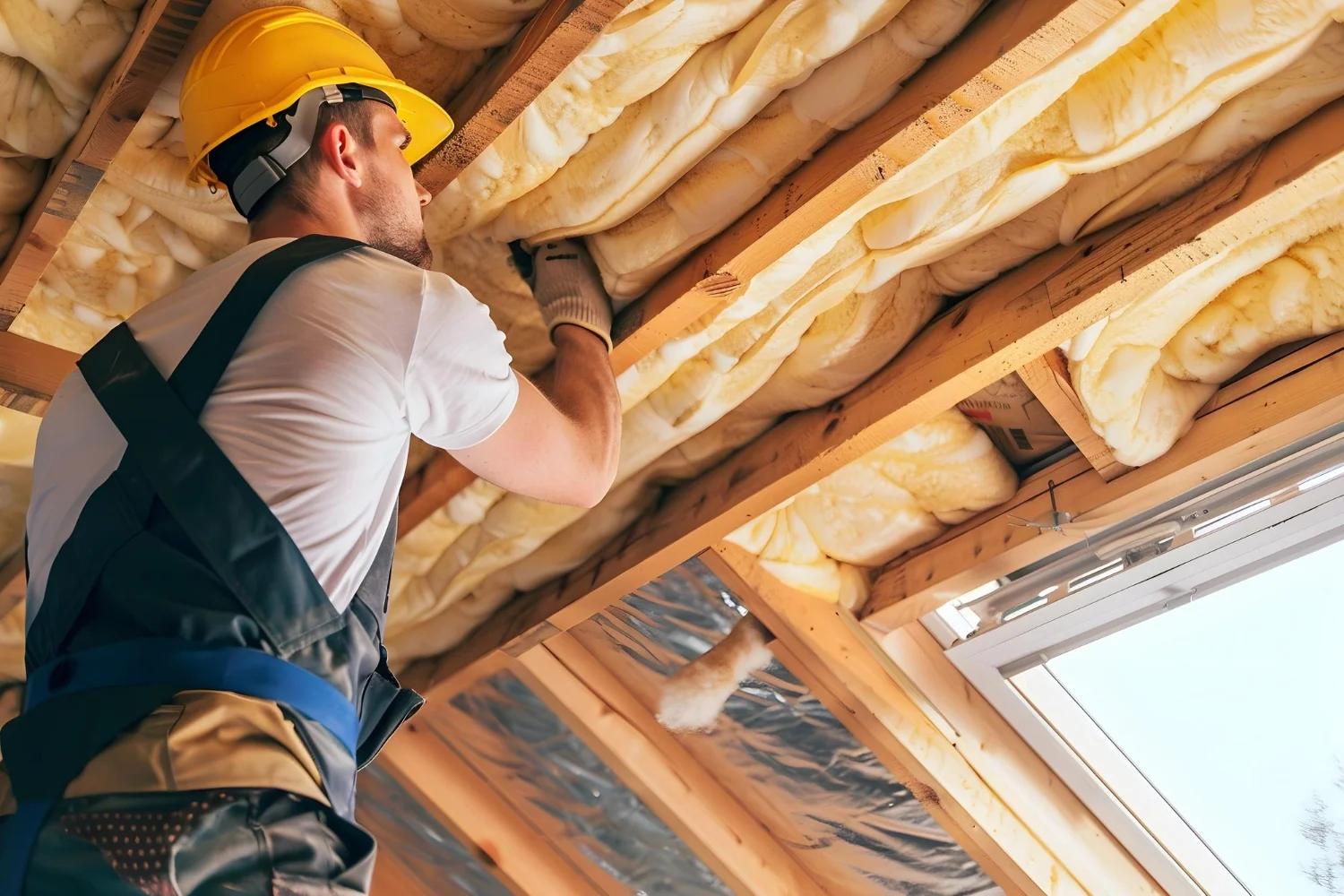
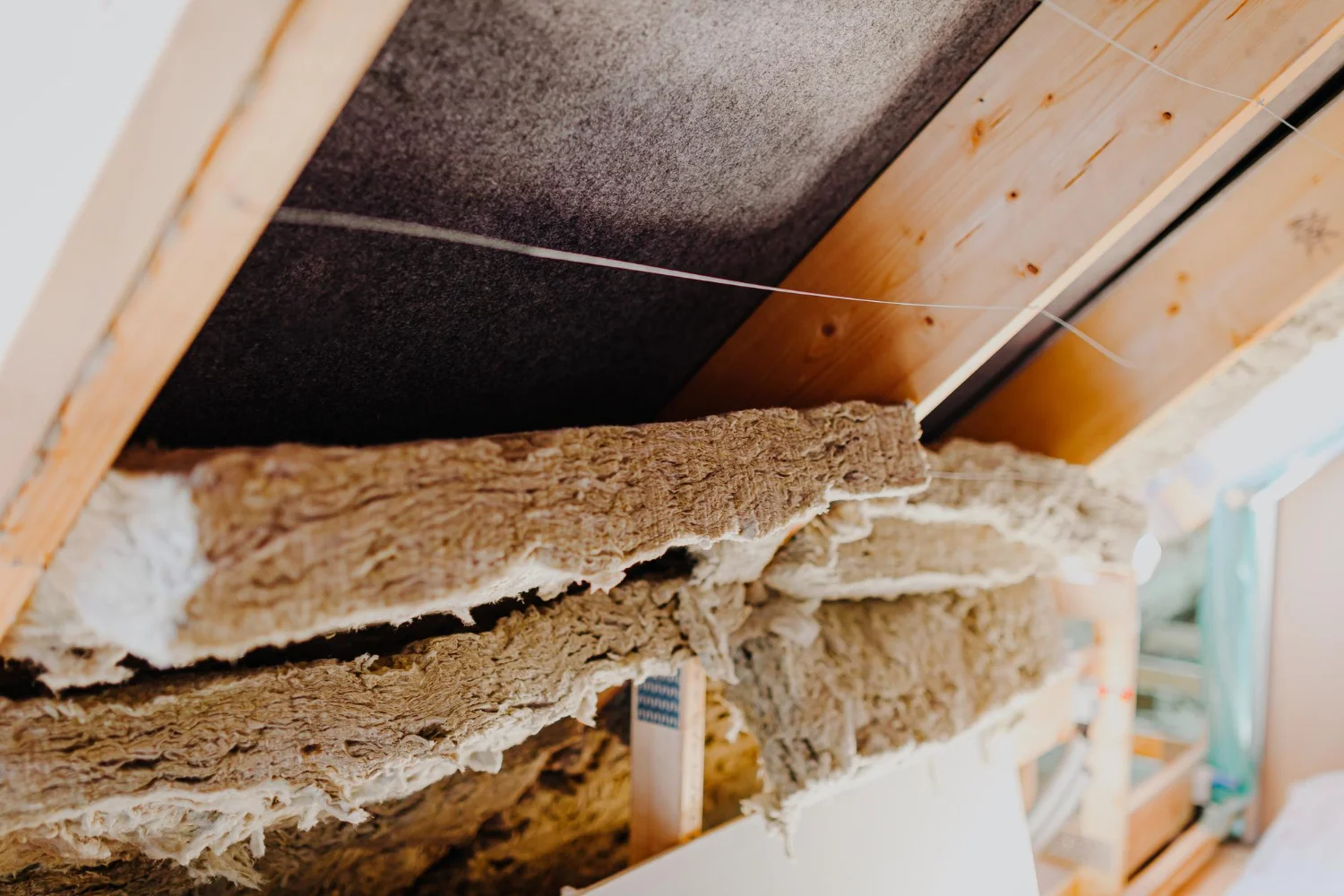
Natural fibre insulation is made from renewable plant or animal-based materials. The most common examples include sheep’s wool insulation and hemp insulation. These materials are increasingly popular in retrofit projects and older homes throughout Inverness and Elgin, particularly where breathability and moisture management are important.
Sheep’s wool insulation, often sourced from local manufacturers, offers excellent thermal performance while remaining flexible and easy to install. Hemp insulation, grown and manufactured in Scotland, is another sustainable option that provides strong insulation properties with a low environmental footprint.
Natural insulation products are biodegradable, renewable and require less energy to produce compared to many synthetic alternatives. For environmentally conscious homeowners in Aberdeen and Banchory, this makes them an appealing choice.
What Is Synthetic Insulation?
Synthetic insulation typically includes materials such as mineral wool, fibreglass and rigid foam boards. These products have been widely used across the UK for decades and are commonly found in lofts, walls and floors throughout Huntly and Aberdeen.
Synthetic insulation is manufactured using industrial processes and is designed to provide reliable thermal resistance. It can be cost-effective and widely available, making it a popular choice in new builds and large-scale developments.
While synthetic products perform well thermally, they are not renewable and often require more energy-intensive production methods.
Which service are you looking for?
Underfloor Insulation
Internal Wall Insulation
Room In Roof Insulation
Loft Insulation
Joinery Works
It just takes 60 Sec
And then you can book a free consultation
Thermal Performance and Energy Efficiency
When correctly installed, both natural fibre insulation and synthetic insulation can deliver strong thermal performance. The key factor is not just the material itself but how well it is fitted, the thickness achieved and whether gaps are eliminated.
In colder areas, effective insulation is critical to prevent heat loss during winter months. Both sheep’s wool and mineral wool, for example, can achieve similar thermal resistance values when installed to the correct depth.
The real difference often lies in how the material interacts with the building structure, particularly in older Scottish homes.
Breathability and Moisture Management
One of the standout benefits of natural fibre insulation is its breathability. Traditional stone and solid wall properties in Elgin and Aberdeen were built to allow moisture to move through the building fabric. Installing non-breathable materials in these homes can sometimes lead to condensation or damp issues.
Sheep’s wool and hemp insulation can absorb and release moisture without losing their insulating properties. This helps regulate humidity levels and reduces the risk of condensation forming on cold surfaces. For period properties or homes with solid walls, this moisture management can be a significant advantage.
Synthetic insulation, while effective at trapping heat, does not always offer the same natural moisture buffering capability.
Environmental Impact and Sustainability
Sustainability is a growing priority for homeowners across Banchory, Inverness and beyond. Natural fibre insulation offers clear environmental benefits. Hemp grows quickly, absorbs carbon dioxide during cultivation and requires minimal chemical processing. Sheep’s wool is renewable and biodegradable, making it a low-impact choice.
Synthetic insulation materials, by contrast, are manufactured using mineral or petrochemical resources. Although they are durable and long-lasting, their production typically involves higher energy use and a larger carbon footprint.
For homeowners aiming to reduce their environmental impact, natural insulation materials align closely with sustainable building practices.
Indoor Air Quality and Comfort
Another important consideration is indoor air quality. Natural insulation products tend to contain fewer synthetic additives and chemical binders. This can contribute to a healthier indoor environment, particularly in family homes across Aberdeen and Elgin.
In addition to thermal insulation, natural fibre materials can help regulate indoor humidity levels, creating a more balanced and comfortable living space throughout the year.
Synthetic insulation products are generally safe when properly installed, but they do not offer the same humidity-regulating properties as natural fibres.
Which Insulation Is Right for Your Home?
There is no universal answer. The best insulation solution depends on your property type, budget, long-term goals and environmental priorities.
The most important step is ensuring professional installation. Even the highest-performing insulation will fail to deliver results if poorly fitted or installed at insufficient depth.
Upgrading insulation is one of the most impactful ways to reduce heat loss, lower energy bills and improve comfort. Whether you choose natural fibre insulation or synthetic insulation, investing in the right solution will help create a warmer, more energy-efficient home for years to come. Contact us for more guidance and a quote for insulation in Aberdeen, Inverness, Huntly, Elgin and Banchory.
Related articles

Which service are you looking for?
Underfloor Insulation
Internal Wall Insulation
Room In Roof Insulation
Loft Insulation
Joinery Works
At a glance
Both natural and synthetic insulation products can improve energy efficiency, reduce heat loss and enhance indoor comfort. However, they differ significantly in composition, environmental impact, breathability and long-term performance.
What Is Natural Fibre Insulation?
Natural fibre insulation is made from renewable plant or animal-based materials. The most common examples include sheep’s wool insulation and hemp insulation. These materials are increasingly popular in retrofit projects and older homes throughout Inverness and Elgin, particularly where breathability and moisture management are important.
Sheep’s wool insulation, often sourced from local manufacturers, offers excellent thermal performance while remaining flexible and easy to install. Hemp insulation, grown and manufactured in Scotland, is another sustainable option that provides strong insulation properties with a low environmental footprint.
Natural insulation products are biodegradable, renewable and require less energy to produce compared to many synthetic alternatives. For environmentally conscious homeowners in Aberdeen and Banchory, this makes them an appealing choice.
What Is Synthetic Insulation?
Synthetic insulation typically includes materials such as mineral wool, fibreglass and rigid foam boards. These products have been widely used across the UK for decades and are commonly found in lofts, walls and floors throughout Huntly and Aberdeen.
Synthetic insulation is manufactured using industrial processes and is designed to provide reliable thermal resistance. It can be cost-effective and widely available, making it a popular choice in new builds and large-scale developments.
While synthetic products perform well thermally, they are not renewable and often require more energy-intensive production methods.
Which service are you looking for?
Underfloor Insulation
Internal Wall Insulation
Room In Roof Insulation
Loft Insulation
Joinery Works
It just takes 60 Sec
And then you can book a free consultation
Thermal Performance and Energy Efficiency
When correctly installed, both natural fibre insulation and synthetic insulation can deliver strong thermal performance. The key factor is not just the material itself but how well it is fitted, the thickness achieved and whether gaps are eliminated.
In colder areas, effective insulation is critical to prevent heat loss during winter months. Both sheep’s wool and mineral wool, for example, can achieve similar thermal resistance values when installed to the correct depth.
The real difference often lies in how the material interacts with the building structure, particularly in older Scottish homes.
Breathability and Moisture Management
One of the standout benefits of natural fibre insulation is its breathability. Traditional stone and solid wall properties in Elgin and Aberdeen were built to allow moisture to move through the building fabric. Installing non-breathable materials in these homes can sometimes lead to condensation or damp issues.
Sheep’s wool and hemp insulation can absorb and release moisture without losing their insulating properties. This helps regulate humidity levels and reduces the risk of condensation forming on cold surfaces. For period properties or homes with solid walls, this moisture management can be a significant advantage.
Synthetic insulation, while effective at trapping heat, does not always offer the same natural moisture buffering capability.
Environmental Impact and Sustainability
Sustainability is a growing priority for homeowners across Banchory, Inverness and beyond. Natural fibre insulation offers clear environmental benefits. Hemp grows quickly, absorbs carbon dioxide during cultivation and requires minimal chemical processing. Sheep’s wool is renewable and biodegradable, making it a low-impact choice.
Synthetic insulation materials, by contrast, are manufactured using mineral or petrochemical resources. Although they are durable and long-lasting, their production typically involves higher energy use and a larger carbon footprint.
For homeowners aiming to reduce their environmental impact, natural insulation materials align closely with sustainable building practices.
Indoor Air Quality and Comfort
Another important consideration is indoor air quality. Natural insulation products tend to contain fewer synthetic additives and chemical binders. This can contribute to a healthier indoor environment, particularly in family homes across Aberdeen and Elgin.
In addition to thermal insulation, natural fibre materials can help regulate indoor humidity levels, creating a more balanced and comfortable living space throughout the year.
Synthetic insulation products are generally safe when properly installed, but they do not offer the same humidity-regulating properties as natural fibres.
Which Insulation Is Right for Your Home?
There is no universal answer. The best insulation solution depends on your property type, budget, long-term goals and environmental priorities.
The most important step is ensuring professional installation. Even the highest-performing insulation will fail to deliver results if poorly fitted or installed at insufficient depth.
Upgrading insulation is one of the most impactful ways to reduce heat loss, lower energy bills and improve comfort. Whether you choose natural fibre insulation or synthetic insulation, investing in the right solution will help create a warmer, more energy-efficient home for years to come. Contact us for more guidance and a quote for insulation in Aberdeen, Inverness, Huntly, Elgin and Banchory.
Related articles
Which service are you looking for?
Underfloor Insulation
Internal Wall Insulation
Room In Roof Insulation
Loft Insulation
Joinery Works